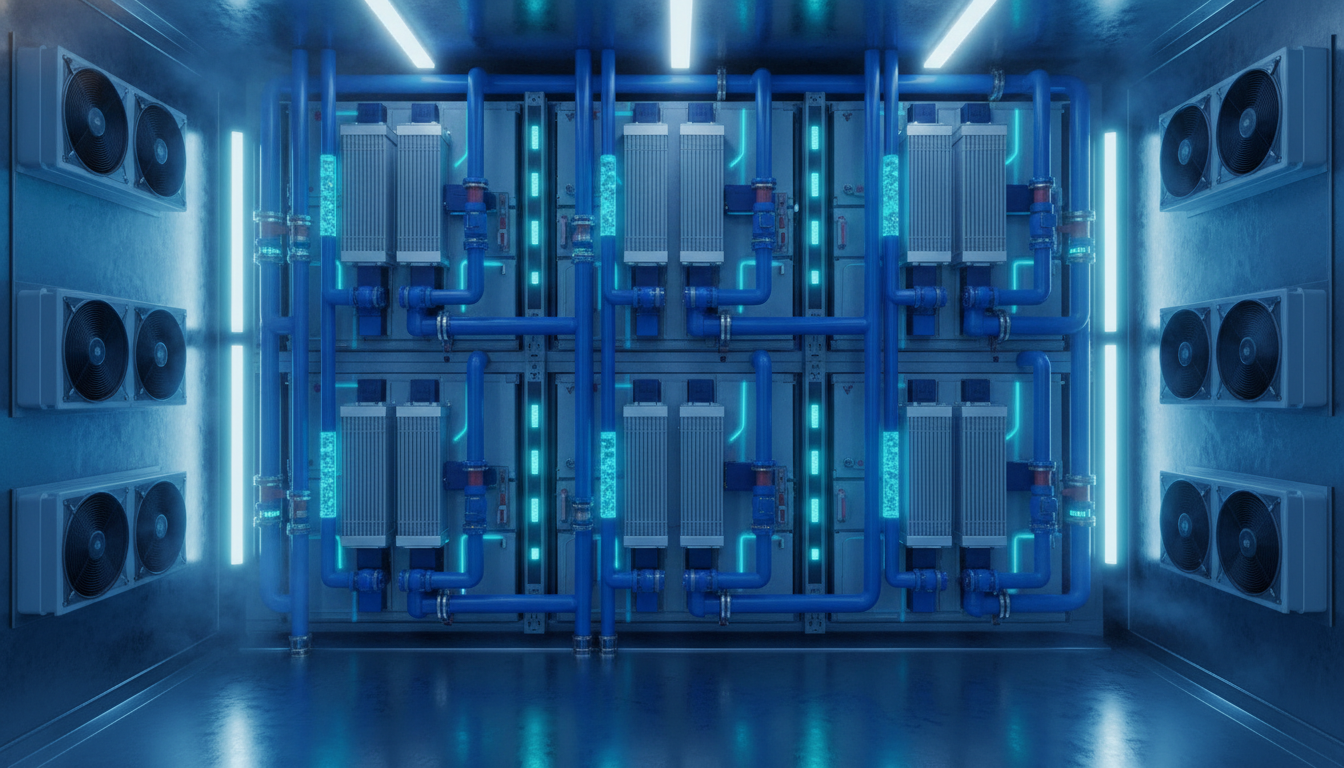
Every hotelier watches the energy bill, but a single monthly total hides where the money actually goes. A hotel is a small city that never sleeps: rooms, kitchens, pools, wellness areas, laundry and technical plant all draw power at the same time. The only way to manage that is to make total and per-area consumption visible in real time — and then act on it. That is what an AI-driven energy monitor like the Stromfee platform does.
Ein energiesparendes Hotel-Management-System (im Energiekontext oft „Energiemanagement-System" genannt) ist keine einzelne App, sondern das Zusammenspiel aus Messtechnik, Steuerung und Auswertung: Zähler und Sensoren erfassen deinen Verbrauch pro Bereich — Heizung/Lüftung/Klima, Beleuchtung, Küche, Wäscherei, Pool und Zimmer —, eine Software macht diese Daten sichtbar, und eine Steuerung greift dort ein, wo unnötig Energie fließt. Der Zweck ist genau das, was der Suchbegriff verspricht: Verbrauch transparent machen, Kosten senken und den Betrieb nachhaltiger führen, ohne den Gästekomfort einzuschränken. Der eigentliche Hebel ist die Transparenz: Du kannst nur steuern, was du misst — und in einem Hotel läuft ein großer Teil des Verbrauchs außerhalb der Sichtzeiten (nachts, in Leerständen, in Technikräumen).
Konkret gehst du in vier Schritten vor: (1) Messen — Unterzähler je Verbrauchsbereich setzen, damit du siehst, wo die Energie wirklich hingeht, statt nur die eine Summe auf der Netzrechnung zu kennen. (2) Sichtbar machen — die Messwerte in einem Dashboard bündeln, um Lastspitzen, Dauerläufer und Nachtverbräuche zu erkennen. (3) Steuern — HVAC, Beleuchtung und energieintensive Prozesse wie die Wäscherei zeitlich und bedarfsgerecht regeln; besonders wirkungsvoll wird das, wenn du Verbräuche in günstige Zeitfenster oder auf selbst erzeugten Strom legst. (4) Ergänzen — eine PV-Anlage, sinnvoll mit einem Batteriespeicher kombiniert, senkt Bezugskosten weiter und verschiebt Verbrauch in eigene Erzeugung. Lohnt sich so ein System? Für einen Hotelbetrieb in der Regel ja — weil der Energieverbrauch hoch, dauerhaft und stark schwankend ist und ohne Messung im Verborgenen läuft. Wie groß der Effekt ausfällt, hängt aber von deinem Gebäude, deiner Technik und deinem Nutzungsprofil ab, deshalb steht am Anfang immer die Messung, nicht der Kauf einer bestimmten Lösung.
Ein „energy-saving hotel management system" ist keine einzelne Box, die Strom spart, sondern die Verbindung aus drei Bausteinen: Messen, Steuern, Auswerten. Gemessen wird am Zählpunkt des Hauses und — das ist der entscheidende Teil — mit Unterzählern hinter den großen Verbrauchern: Küche, Wäscherei, Lüftung, Kälte, Warmwasser, Pool. Gesteuert wird über die Gebäudeleittechnik und über Zeit- bzw. Belegungsprogramme, oft gekoppelt an das Hotelprogramm (PMS), damit ein nicht belegtes Zimmer nicht wie ein belegtes geheizt oder gekühlt wird. Ausgewertet wird in einer Software, die Verbrauch, Belegung und Kosten nebeneinanderlegt. Wichtig zur Einordnung: Die Software allein senkt keine Kilowattstunde. Sie spart erst dann, wenn aus einer Auffälligkeit entweder eine automatische Schalthandlung oder eine Entscheidung im Haus wird. Wer den Ablauf formalisieren will, hat mit ISO 50001 den passenden Rahmen — auch der beschreibt einen Kreislauf aus Erfassen, Bewerten, Maßnahme, Nachweis, nicht ein Produkt.
Konkret gehst du in dieser Reihenfolge vor. Erstens: Hol dir den Lastgang deines Zählpunkts in 15-Minuten-Werten (bei RLM-Messung liegt er beim Messstellenbetreiber vor) und lies daraus die Grundlast in der Nacht ab — was um drei Uhr morgens dauerhaft läuft, obwohl kein Gast etwas davon hat, ist der billigste Fund im ganzen Haus. Zweitens: Setz Unterzähler auf die drei bis vier größten Blöcke, bevor du irgendeine Regelung kaufst. Ohne diese Trennung weißt du hinterher nicht, ob eine Maßnahme gewirkt hat. Drittens: Erst jetzt steuern — Belegungsdaten aus dem PMS auf Heizung/Klima im Zimmer, Zeitprogramme für Lüftung und Wäscherei, Warmwasser- und Zirkulationszeiten an die tatsächlichen Stoßzeiten anpassen. Viertens: Gegenprobe an der Abrechnung, nicht am Dashboard; erst wenn Verbrauch und Rechnung dieselbe Richtung zeigen, ist der Effekt belegt. Und wenn du einen börsenpreis-indexierten oder dynamischen Stromtarif hast, kommt eine fünfte Ebene dazu: verschiebbare Lasten wie die Wäscherei in günstige Stunden legen — das senkt die Kosten, ohne die Kilowattstunden zu senken. Beides sind unterschiedliche Hebel, halte sie in der Bewertung getrennt.
Ready for the system behind this guide? See Stromfee’s hotel energy management platform →
Where a hotel's energy really goes
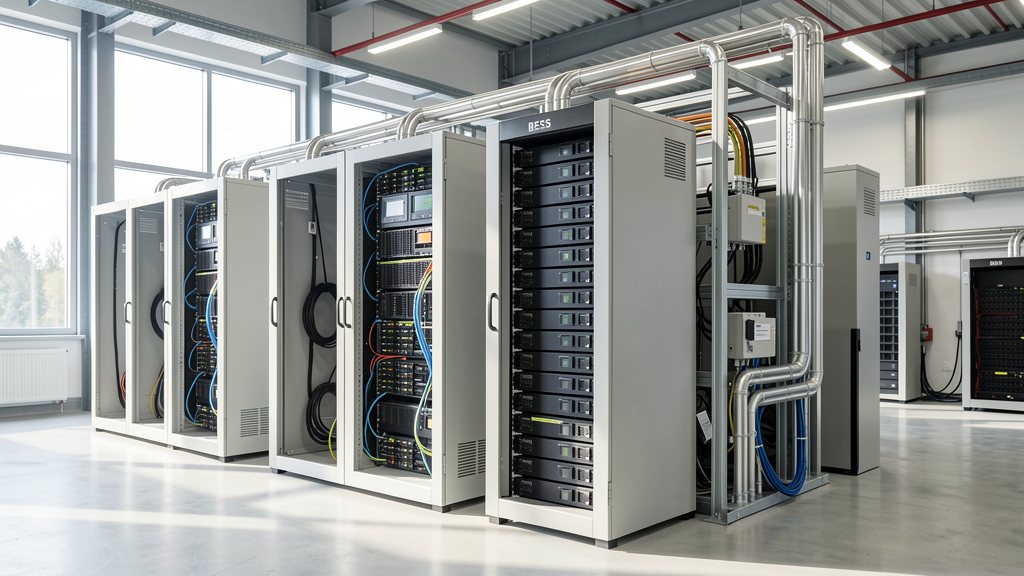
Across the industry the pattern is consistent, even if the exact split differs by climate and star rating:
- HVAC (heating, cooling, ventilation) is almost always the largest share — air conditioning in warm months, heating in winter, ventilation all year round.
- Kitchens and refrigeration run long hours with high peak loads.
- Pool & wellness — pumps, filtration, heating and dehumidification — are a quiet but relentless drain, often underestimated.
- Hot water, laundry, lighting and lifts add a steady base load on top.
Because these loads overlap and run around the clock, a small inefficiency in any one of them compounds into a large annual cost. You cannot fix what you cannot see — so the first job of energy management is measurement, not guesswork.
Total consumption — the heart of the monitor
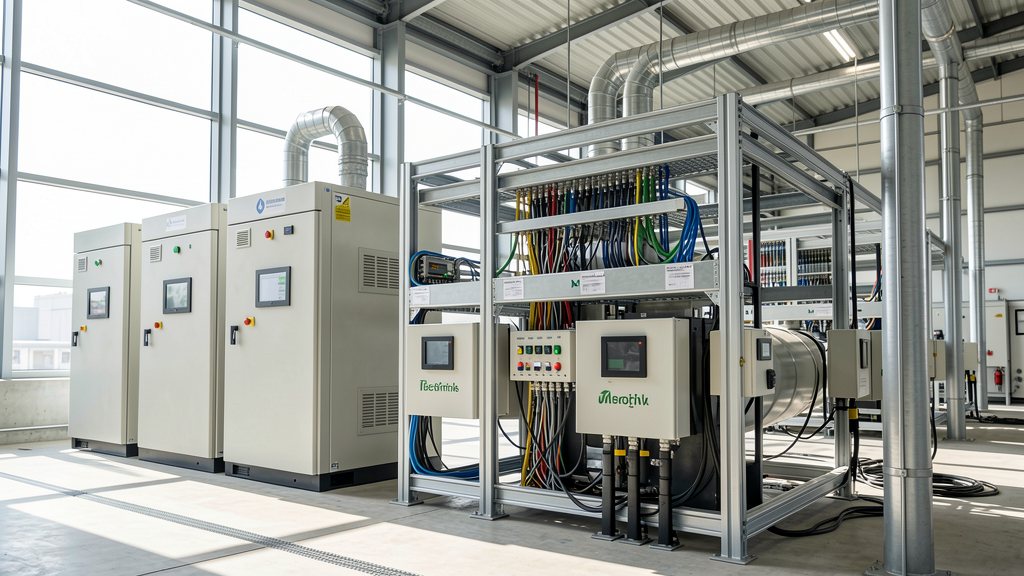
The Stromfee platform reads existing meters and added sensors over the MQTT protocol — a lightweight standard built for IoT telemetry — and stores every value as a time series. Instead of one number per month, you get:
- Live total load for the whole property, plus a breakdown by area or circuit.
- Anomaly alerts when a load runs when it should not — a chiller stuck on overnight, a pump that never cycles down.
- Peak-load visibility, so the demand charge on your bill stops being a monthly surprise.
This is the foundation everything else builds on: once consumption is visible, savings and spot-market optimisation become possible.
The CHP plant — electricity and heat in one
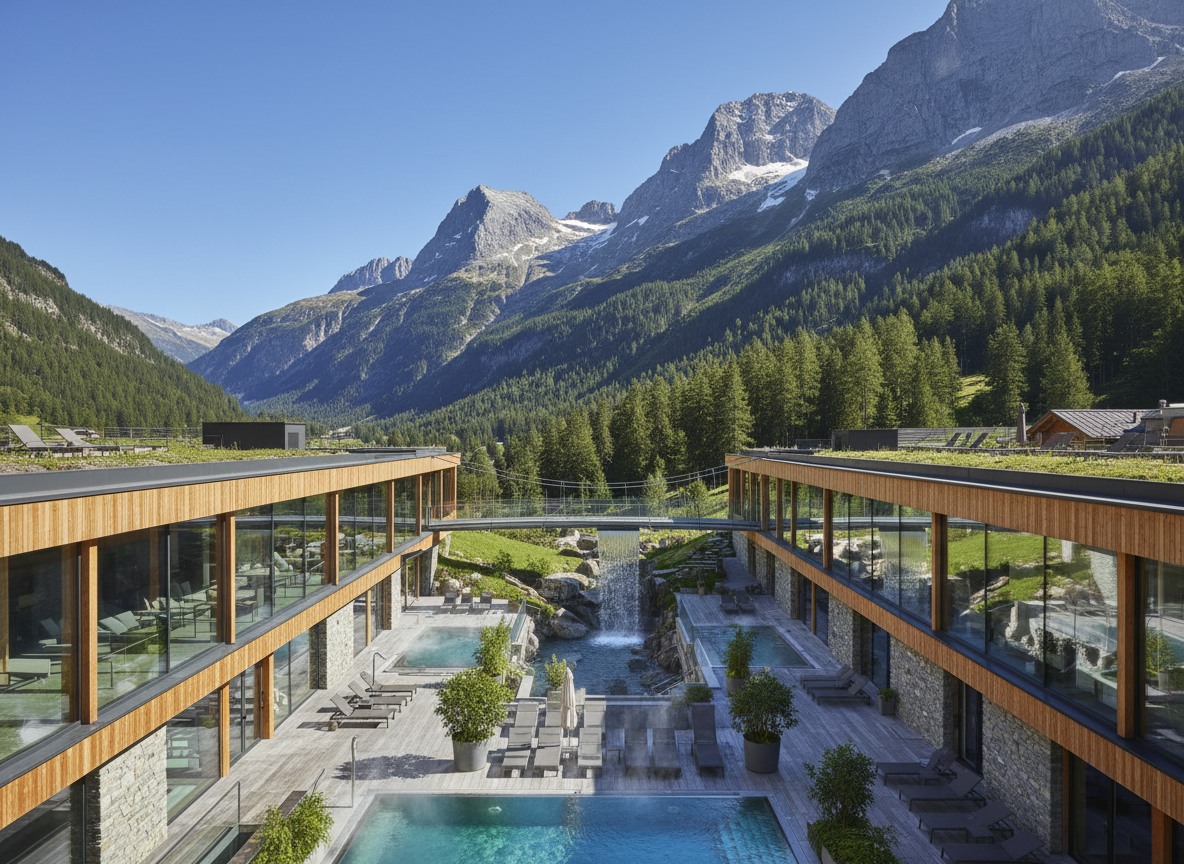
Many hotels run a combined heat and power plant (CHP / BHKW): it generates electricity on site and turns the waste heat into usable warmth for rooms and water. That double benefit only pays off if the plant runs at the right times and stays healthy. Stromfee monitors electricity and heat output continuously, tracks maintenance intervals, and flags efficiency loss early — so the CHP keeps earning instead of quietly drifting out of tune.
Pool & wellness — the hidden energy sink
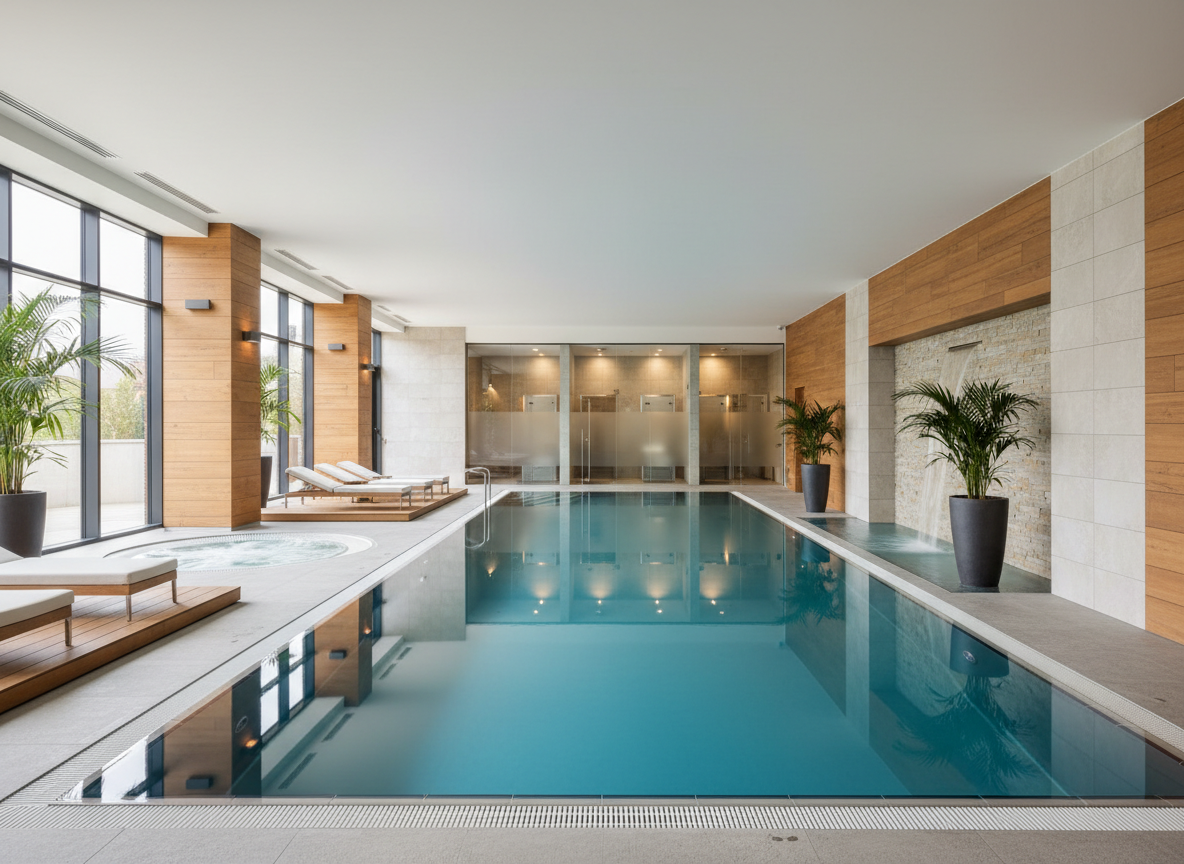
For hotels and resorts with a pool, spa or wellness area, this is often the most under-measured cost of all. Pumps, filtration, pool heating, ventilation and dehumidification run continuously, and heat recovery is frequently left on the table. Our US team has built a dedicated, deeper solution for exactly this:
- The Glass Pool — introduce AI to a hotel or resort pool, the glass-box way
- Pool & Spa Chain — energy optimisation from pumps to wellness
The same principle applies as for the rest of the hotel: measure first, then optimise heat recovery, pump schedules and spot-price timing.
Spot market, curtailment and negative prices
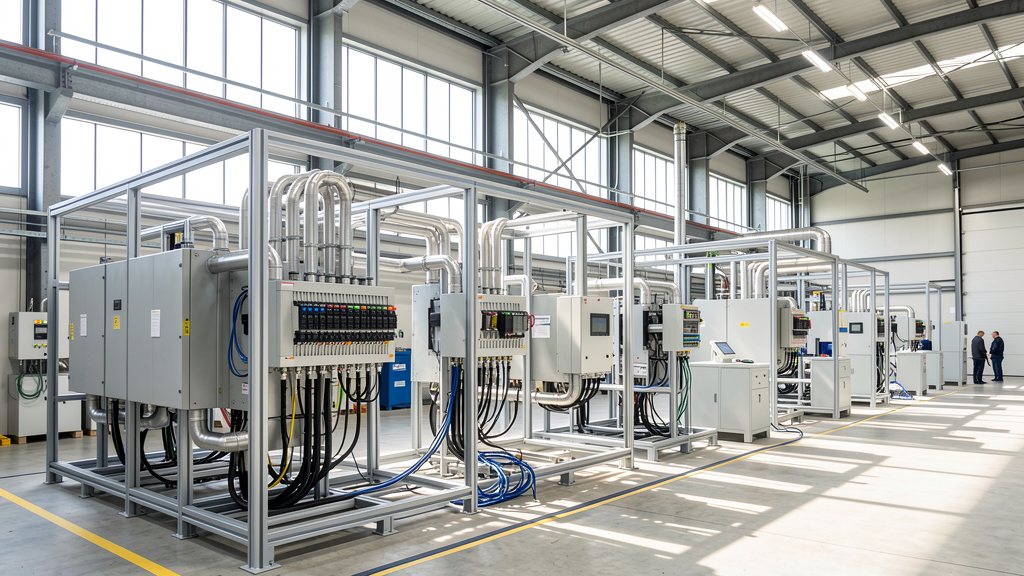
Once consumption is visible, the flexible loads a hotel already has — pool pumps, cooling, hot-water storage, a CHP or a battery — become an asset. Stromfee matches usage against the day-ahead spot price, flags negative-price hours and curtailment events, and shows the best windows to shift load or charge storage. The grey zones that used to sit unnoticed on the bill turn into concrete savings.
Start with visibility
Efficient hotel energy management is not one big project — it starts with seeing your own numbers. From there, HVAC scheduling, CHP tuning, pool heat recovery and spot-price timing each add up. Explore the Stromfee hotel management overview, see the full platform, or check the live markets we cover.